FORAGER
HUMANITARIAN SENSING
2024
"What if minefields could be cleared faster, reducing risk to life and helping communities recover after war?"
FORAGER
HUMANITARIAN SENSING
2024

THE SITUATION
FOUR STAGES
01 | QUESTION FRAMING
We started by assessing the existing technology and product landscape, identifying underexplored areas of the RF spectrum with real potential for the application. Before we built anything, we needed to know where in the spectrum the answer was most likely to live.
02 | INVESTIGATION
We developed and tested a set of sensing concepts, combining first-principles analysis with targeted physical measurements to confirm that theory and real-world performance lined up. Then we built an integrated digital twin in Ansys, capturing key electromagnetic effects, target interactions and platform dynamics. The twin let us explore system performance across realistic scenarios and generate representative data for downstream work.
03 | PROTOTYPING
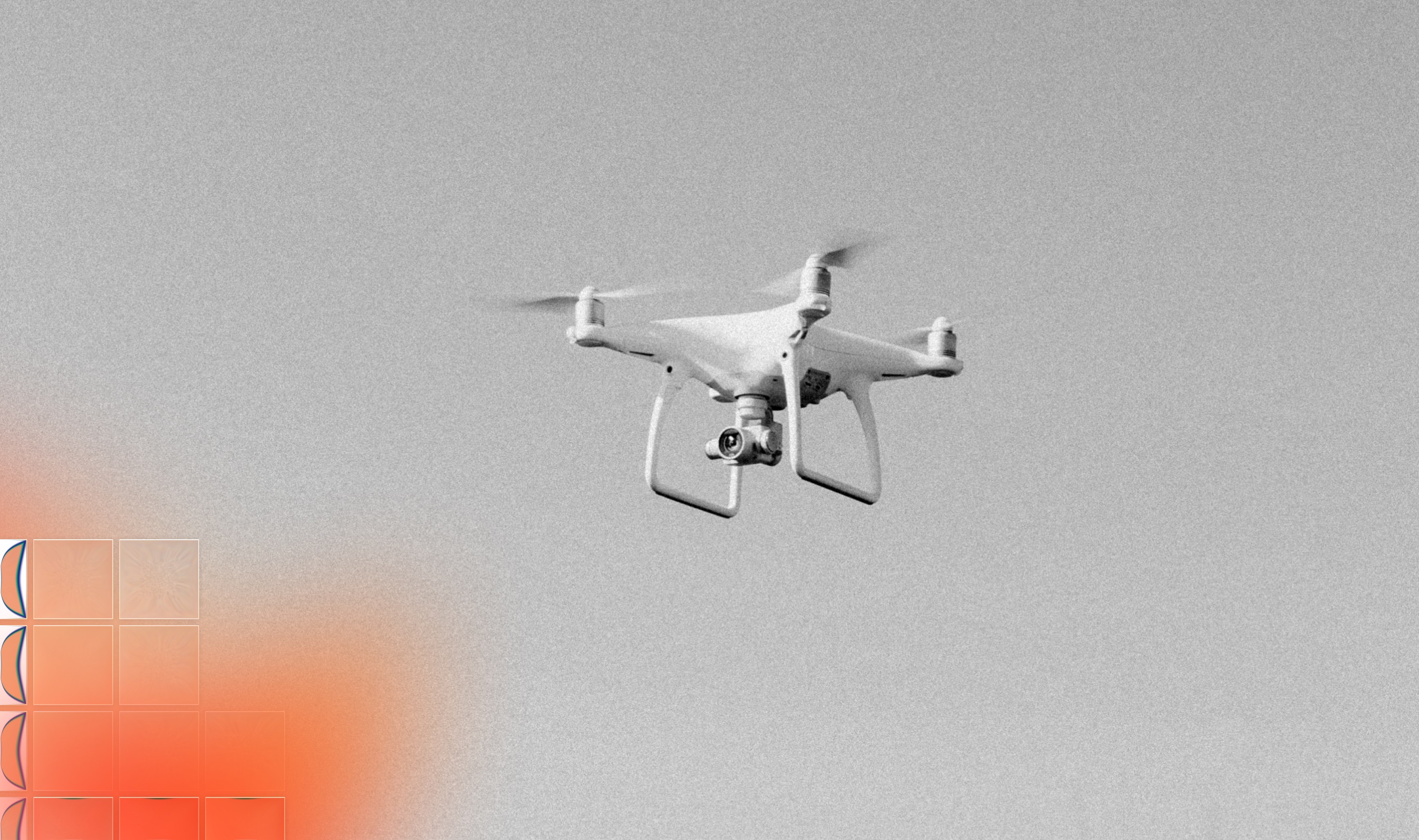
We developed a prototype signal processing approach and assessed the system’s ability to detect the objects of interest. By comparing approaches against the digital twin, we could identify the most promising direction and define a clear path to a deployable capability. We brought it together as FORAGER: a target UAV payload concept grounded in the underlying physics and aligned with the operational constraints.
04 | ANSWERS
We advanced the concept to Technology Readiness Level 2, with a clear path to practical demonstration. The work de-risked further development, generated valuable intellectual property, and gave Dstl the basis to make informed decisions about follow-on investment. It also provided a foundation for thinking about how emerging sensing capabilities could shape the future of land clearance.
VOICE FROM THE WORK
Supersense

THE ANSWER
Explore More Projects